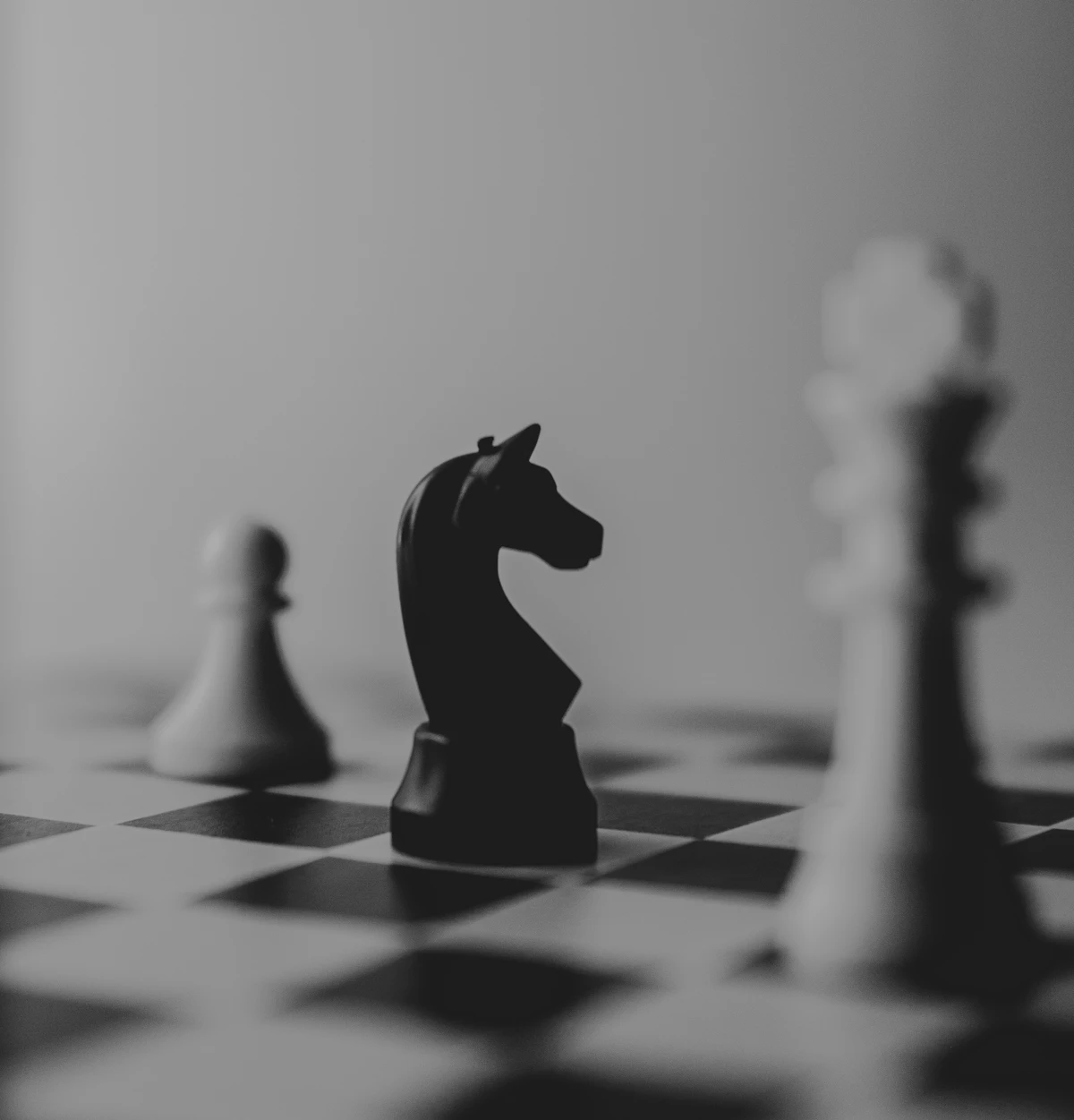
The Endgame That Ends Most Club Games
I'll be honest — I used to skip endgame study entirely. Openings were more exciting, tactics were more satisfying to drill, and endgames felt like the boring part you reach when everything interesting has already happened. That was a serious mistake.
Rook endgames are, statistically, the most common type of endgame you'll actually reach in over-the-board chess. About 60-70% of games that reach an endgame involve rooks. You'd think that would make them well-practiced territory. But in my experience teaching and playing club chess, rook endgames are where more rating points get thrown away than anywhere else. Not from missing brilliant combinations — from not knowing basic technique.
I lost a completely won game last year because I put my rook on the wrong side of a passed pawn. I had the extra pawn, I had the better king position, and I still drew because I hadn't learned the Lucena position properly. That loss sent me down a week-long rook endgame rabbit hole, and what I found completely changed how I approach the final phase of the game.
If you're serious about improving your chess rating, rook endgames aren't optional study material. They're the single most practical area of endgame knowledge you can develop. Almost every technical win or save you'll need over the board will involve these principles.
Rook + Pawn vs Rook — The Two Positions You Must Know

Photo by Unsplash on Unsplash
Rook plus pawn versus rook is the most foundational rook endgame, and it comes down to two essential positions: the Lucena and the Philidor. If you know these two thoroughly, you can handle probably 70% of practical rook endgame decisions correctly without calculating a single move.
The Lucena Position is the "winning" blueprint. It arises when your extra pawn has advanced far enough (usually to the 7th rank) and your king has moved in front of it, sheltered in the corner. The challenge: your rook is stuck on the back rank, cut off from the action, and the defending rook is checking your king from behind. The solution is a technique called "building a bridge" — your rook maneuvers to an intermediate rank (the 4th rank is classic) to block the opponent's checks while your king escapes. The exact sequence is worth memorizing as a visual pattern, not a series of moves. Once you can see the bridge being built in your head, you'll spot when it applies in real games.
The Philidor Position is the "drawing" blueprint for the defending side. It's the answer to the Lucena — how does the side without the extra pawn hold? The key principle: keep your rook on the 6th rank as long as the attacking king hasn't crossed it, and only drop to the back rank (to give long-distance checks) once the attacking pawn is on the 6th rank itself. This technique was shown to be a fortress draw by 18th-century player François-André Philidor and it still works perfectly today. The rook checks from behind, the defending king keeps moving, and the extra pawn can never promote.
The reason these two positions matter so much: they're the endgame that everything else in rook versus rook and pawn reduces to. Once you learn to recognize which position you're heading toward — Lucena (I'm winning) or Philidor (I need to draw) — you can navigate the endgame with confidence instead of guesswork.
And don't neglect rook activity in general. A passive rook in an endgame is a liability. Even in positions where you're defending, an active rook that checks from behind or creates threats on the opponent's pawns is worth much more than a passive piece sitting on the back rank waiting to be useful.
King Activity — The Single Biggest Factor
Here's what I tell every student who's struggling with rook endgames: stop worrying about the rook for a moment and ask where your king is. In almost every losing rook endgame I've seen at club level, the culprit isn't a rook blunder — it's a king that's stuck on the back rank while the opponent's king marches freely through the center.
In the middlegame, the king hides. In the endgame, the king fights. That transition is something you have to consciously make, and many players never do. I've watched 1400-rated players spend twenty moves shuffling their rook around while their opponent's king ate through their queenside pawns unopposed. The rook moves were all perfectly sensible. The problem was the king wasn't helping at all.
Some practical guidelines for king activity in rook endgames:
Get your king to the center as soon as the queens are off the board. Don't wait. Every tempo matters in the endgame in a way that simply doesn't apply in the middlegame.
In pawn-up positions, your king should be heading toward the passed pawn to escort it forward. The king plus pawn combination is far more powerful than a rook trying to push the pawn alone.
In pawn-down positions, your king should be fighting for the side where your opponent's extra pawn lives. A king that blocks a passed pawn neutralizes it far more efficiently than a rook trying to hold from behind.
Opposition matters too. When kings face each other with one square between them, the player who doesn't have to move has "the opposition" — and in pawn endgames that converts easily to king-pawn endings. Even with rooks on the board, king opposition can decide which side's king gets the more active role.
I genuinely believe that understanding king activity in the endgame is worth 100-200 rating points for most club players. It's not a difficult concept — it's just one that almost nobody consciously applies until they've been burned by it enough times.
Practical Rook Endgame Patterns I Use Every Week
Photo by Unsplash on Unsplash
Beyond Lucena and Philidor, there are a handful of practical patterns that come up constantly at club level. These aren't theoretical curiosities — they're the things I see misplayed every single week.
Rook cutting off the king. When you have a passed pawn on the queenside, position your rook on the e-file or d-file to cut the opposing king off from crossing to that side. A king stuck on the kingside can't stop a pawn marching on the queenside with yours escorting it. This is so simple and so effective — I've won multiple endgames purely because my opponent's rook was passively placed and their king was literally blocked from reaching the action.
The 7th rank invasion. A rook on the 7th rank (or 2nd rank for Black) is devastating because it attacks your opponent's unmoved pawns from behind while they're still stuck on their starting squares. If you can land a rook on the 7th rank AND your opponent can't drive it off, you'll win pawns for free while creating chaos. The practical implication: don't trade a 7th-rank rook for a passive one just to "simplify."
Doubled rooks on an open file. In rook endgames with multiple pawns still on the board, controlling an open file with both rooks creates irresistible pressure. The opponent's rook can contest the file but can't hold it against two. This eventually translates to rook penetration, pawn wins, and converted endgames.
The wrong rook side of the pawn. I mentioned losing a won game to this exact mistake. When your extra pawn is on, say, the h-file, your rook should be on the h-file too — or somewhere it can support the pawn. Placing your rook on the "wrong" side (away from where the action is) means it's passive and your opponent has much easier defensive tasks.
To drill these patterns properly, I'd recommend working through the endgame section on Lichess's study tool — they have curated rook endgame studies with the key positions explained move by move. Combine that with the opening and endgame training at CheckmateX to keep your pattern recognition sharp across all phases of the game. Endgames aren't exciting to study. But they're where games get decided.
Why Most Players Avoid Endgame Study (And Why That's Backwards)
The dirty secret of chess improvement at the 1000-1800 level is that endgame study gives you a much better return on time than almost anything else. But hardly anyone does it.
I think the psychology is obvious — tactics puzzles give you instant gratification. You see the solution, you feel clever, you click through to the next one. Endgame study feels slower and drier. You're grinding through a table of positions where the winning move is Rh4 instead of Rh5 and it's hard to see why that tiny difference matters.
But here's the thing: you'll actually reach these positions in your games. Tactics puzzles train you to spot combinations that may appear once every twenty games. Endgame technique is tested in probably half the games you play past a certain point, and a single technical mistake converts a win to a draw or a draw to a loss.
At my peak study period a couple of years ago, I spent two months focusing almost entirely on endgames — rook endings specifically, plus some basic king and pawn techniques. My rating went up about 80 points, mostly because I stopped dropping half-points in games I should have won.
It's also worth noting that the basics aren't that extensive. You don't need to memorize encyclopedic endgame theory. You need: the Lucena position, the Philidor position, king activity principles, the concept of the "wrong rook side" of a pawn, and how to use a rook to cut off the opposing king. That's maybe 8-10 hours of focused study to understand these properly. After that, it's just applying them.
If you want to test your endgame knowledge in a real competitive setting, the play mode at CheckmateX lets you get in practical games against real opponents — and you'll be amazed how quickly these endgame positions start appearing once you're watching for them. Knowing what to do when they arrive is what separates players who convert advantages from players who perpetually hold draws when they should be winning.